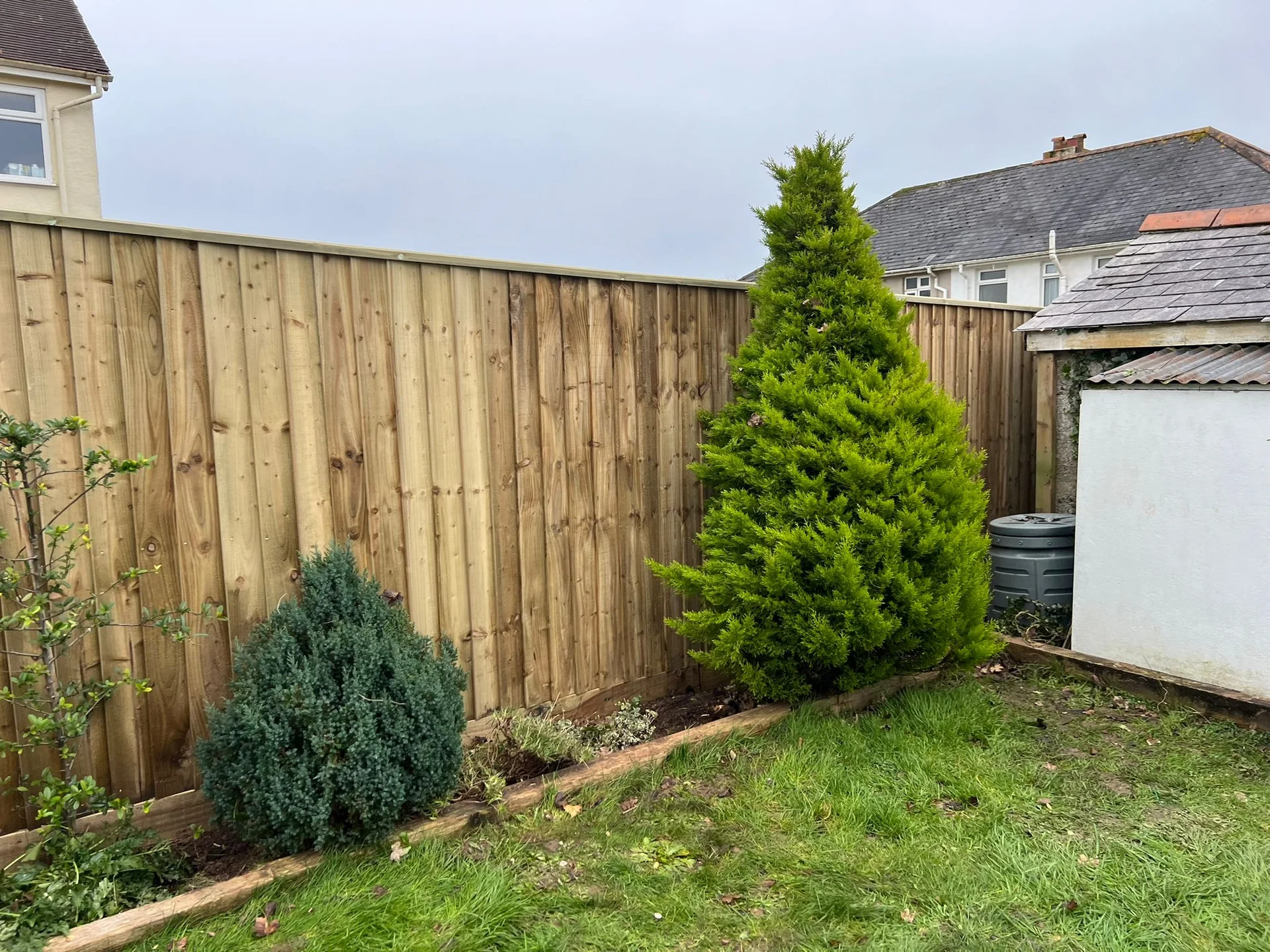
When the Wind Drops and the Damage Is Done
We have all been there. You wake up after a night of howling wind and rain, look out of the window, and your heart sinks. Your fence, the one that has been standing solidly for years, is now leaning at a worrying angle, or worse, it is flat on the ground. If you live in Torbay, this is a scene you will recognise. The combination of coastal exposure and Atlantic storms means that fence damage is a fact of life for many homeowners across Torquay, Paignton, and Brixham.
At Torquay Fencing, we handle emergency callouts throughout the winter storm season. We have seen every type of fence failure you can imagine, from a single blown-over panel to an entire boundary flattened along a seafront garden. This guide is based on what we have learned over years of responding to those calls. We want to help you understand what counts as an emergency, what you can safely do yourself, what you should never attempt, and how to navigate the process of getting your fence properly repaired.
What Counts as a Fence Emergency?
Not every damaged fence is an emergency. A panel that is slightly loose or a post that has developed a small lean is something to address, but it is not urgent. A true emergency is a situation where the damage poses an immediate risk or creates a serious problem that will get worse if left.
A Fallen Fence Blocking Access
If your fence has blown across a driveway, a pathway, or a shared access route, that is an emergency. You need to be able to get in and out of your property safely, and a fence panel lying across your drive is a genuine obstruction. We treat these as priority callouts because they affect your daily life immediately.
This is particularly common in the terraced streets of Torquay, where front garden fences border narrow pavements and parking is tight. A blown-over fence panel can block the pavement and create a hazard for pedestrians, which makes it even more urgent.
A Boundary Breach
If your fence has blown down and your garden is now open to the street, a neighbour's garden, or a public area, that is an emergency for several reasons. Security is the obvious one. An open boundary is an open invitation, and if you have pets or young children, the risk is immediate. We also hear from homeowners whose dogs have escaped through gaps created by storm damage, which is stressful for everyone involved.
A boundary breach is also a legal issue. You have a responsibility to maintain your boundary, and an open fence can lead to disputes with neighbours, especially if the blown-over panels have landed in their garden. The sooner you address it, the better.
Dangerous Loose Panels
A panel that is hanging on by a single nail, flapping in the wind, is dangerous. It could come loose at any moment and hit someone, or it could blow into a neighbouring property and cause further damage. If a panel is loose enough to move significantly in the wind, it needs to be secured or removed before someone gets hurt.
We see this a lot on the exposed properties near Berry Head in Brixham, where the wind can keep blowing for hours after the main storm has passed. A panel that survived the initial gust can work loose and become a hazard in the aftermath.
Damage to a Shared Boundary
If the damaged fence is on a boundary you share with a neighbour, the situation needs handling carefully and quickly. A fallen fence affects both properties, and delays can lead to disagreements about responsibility and cost. Getting a professional in to assess the damage and provide a clear quote for the repair helps both parties understand what is needed and who is paying for what.
Temporary Fixes You Can Do Safely
In some cases, you can make a temporary repair that will hold the situation until a professional can come out. The key word here is temporary. These are stop-gap measures, not permanent repairs, and they should only be attempted if it is safe to do so.
Prop It Up
If a panel is leaning but still attached, you can prop it up with a length of timber or a sturdy broom handle. Place the prop at an angle, with one end on the ground and the other against the panel, and make sure it is bearing the weight of the panel. This is a simple way to stop a leaning panel from falling completely.
If you have several props, use them. One prop at each end of the panel is far more stable than a single prop in the middle. And make sure the prop is resting on solid ground, not on soft soil that will give way.
Use Tarpaulin for Partial Damage
If a panel has a hole in it or has lost a section of boards, you can cover the damaged area with a tarpaulin to keep wind and rain out. Secure the tarpaulin with rope or bungee cords, wrapping them around the posts rather than just the panel. This is not going to hold in a serious storm, but it will buy you time and prevent further water damage to the surrounding area.
Secure Loose Panels With Screws
If a panel is still in place but has worked loose from its fixings, and you can reach it safely, driving a couple of galvanised screws through the panel frame into the post can secure it temporarily. This is the same technique we described in our storm-proofing guide, and it is a genuinely useful temporary fix if the panel is otherwise sound.
Remove Small Debris
If branches or other debris have fallen against your fence, removing them will reduce the load on the structure. Clear away anything that is leaning on the fence or weighing it down. This is safe to do as long as the debris is small enough to move easily and you are not working near a damaged panel that could fall.

What NOT to Do
This section is just as important as the one above. In our experience, a significant proportion of the injuries and additional damage that occur during fence emergencies happen because homeowners attempt repairs that they should not.
Do Not Attempt Large Panel Removal in High Winds
If the wind is still blowing, do not try to remove a large fence panel. A 6-foot by 6-foot panel is essentially a sail, and if the wind catches it while you are holding it, you can be knocked off your feet, dragged, or hit by the panel itself. We have heard stories of homeowners being injured this way, and it is entirely avoidable.
Wait until the wind has dropped before attempting to remove or reposition large panels. If the situation is dangerous and cannot wait, call a professional. We have the equipment and the experience to handle panels safely in difficult conditions.
Do Not Climb on Damaged Fences
If a fence has failed, do not climb on it to assess the damage or attempt a repair. Damaged fences are structurally compromised, and the part you are standing on may not hold your weight. This is especially true of older fences where rot may have weakened timbers that look sound from the outside.
Do Not Use Mains Power Tools in Wet Conditions
This should go without saying, but we will say it anyway. If everything is wet from rain, do not use mains-powered drills, saws, or other tools outdoors. Battery-powered tools are safer, but even then, be cautious. Water and electricity do not mix, and a slip with a power tool in wet conditions can cause serious injury.
Do Not Ignore the Risk of Hidden Damage
A fence that looks like it has survived a storm may have hidden damage. A post that is still standing may have cracked at ground level. A panel that looks solid may have loose fixings that will fail in the next gust. Do not assume that because the fence is upright, it is sound. Give it a thorough check, or better yet, have a professional do it.
When to Call a Professional
There are situations where calling a professional is not just the better option, it is the only sensible option. Here is our guidance on when to pick up the phone.
The Fence Is Completely Down
If an entire run of fencing has blown over, this is not a DIY job. You are looking at multiple panels, multiple posts, and potentially a significant amount of concrete that needs removing and replacing. This requires tools, materials, and manpower that most homeowners do not have.
Posts Have Snapped or Uprooted
A snapped post means the concrete base has failed or the timber has rotted through. Replacing a post involves digging out the old concrete, which can be hard physical work, especially in the clay soils around Paignton and Brixham, or the rocky ground near the coast. An uprooted post means the concrete came out of the ground with it, which suggests the hole was too shallow or the ground is unstable. Either way, this needs professional attention.
The Damage Affects a Shared Boundary
As we mentioned earlier, shared boundary damage needs to be handled with care. A professional can provide an independent assessment, a clear quote, and a repair that works for both properties. This helps avoid disputes and ensures the work is done to a standard that both you and your neighbour can agree on.
You Are Not Sure How Bad the Damage Is
Sometimes the damage is not obvious. A fence that is still standing may have structural issues that are not visible from the outside. If you are not confident in your ability to assess the full extent of the damage, call us. We would rather come out and tell you the fence is fine than have you discover the problem in the next storm.
How Torquay Fencing Handles Emergency Callouts
We take emergency callouts seriously. When a storm has hit Torbay, we know that homeowners need a quick response and clear communication. Here is how we approach it.
Rapid Response
When you call us on 01803 494348, we will talk through the situation with you and assess the urgency. If the damage is blocking access, creating a safety hazard, or compromising your boundary security, we will prioritise your callout. During the winter storm season, we keep our schedules flexible so we can respond to emergencies as they come in.
On-Site Assessment
When we arrive, we will assess the full extent of the damage. This is not just a quick look at the obvious problem. We check the posts, the panels, the gravel boards, and the fixings. We look for hidden damage that could cause further failures. We will explain what we find in plain English and give you a clear picture of what needs doing.
Clear Quoting
We provide a clear, itemised quote for the repair work. No vague estimates, no surprise charges. You will know what the work involves, what materials we will use, and what it will cost before we start. If the damage is extensive enough that a full replacement is more cost-effective than a repair, we will tell you that honestly.
Stock Holding for Common Panel Sizes
One of the advantages of using a local fencing company is that we keep common panel sizes in stock. The standard sizes we see across Torbay are 6 foot by 6 foot, 6 foot by 5 foot, and 6 foot by 4 foot, with 6 foot by 6 foot being the most common for rear garden boundaries. We also stock standard posts, gravel boards, and the fixings needed for most repairs.
This means that in many emergency situations, we can carry out the repair on the same visit, or at least within a day or two, rather than waiting weeks for materials to be delivered. During the storm season, we keep our stock levels higher than usual so we can respond quickly.
Working With Your Neighbours
If the damaged fence is on a shared boundary, we are happy to work with both you and your neighbour to find a solution. We can explain the repair options, the costs, and the timeline to both parties, which helps keep things amicable. We have done this many times across Torbay, and we know how to handle the sensitivities involved.
Insurance Considerations
If your fence has been damaged by a storm, you may be wondering whether your buildings insurance will cover the repair. The answer is: it depends on your policy.
Check Your Policy
Some home insurance policies cover fence damage caused by storms, and some specifically exclude it. The exclusion is becoming more common, so do not assume you are covered. Check your policy documents or call your insurer to find out.
Document the Damage
Whether or not you end up claiming, document the damage thoroughly. Take photographs from multiple angles, showing the full extent of the damage and the surrounding area. Make a note of the date and time of the storm, and if possible, keep a record of the weather conditions. Your insurer may ask for this information.
If you are going to claim, do not carry out any permanent repairs until your insurer has assessed the damage or confirmed that you can proceed. Temporary fixes to make the situation safe are usually fine, but check with your insurer first.
Getting a Quote for Insurance
We regularly provide quotes for insurance purposes. We will give you a detailed written quote that describes the damage, the work needed, and the cost. This is the format most insurers require, and we are used to working with claims handlers and loss adjusters. If you need a quote for an insurance claim, mention it when you call and we will make sure the documentation is suitable.
When Insurance Does Not Cover It
If your policy excludes fence damage, you are not necessarily out of options. If the damage was caused by a neighbour's tree or structure, there may be a liability claim against their insurance. If the fence was already in poor repair before the storm, the insurer would likely have refused the claim anyway, which means you were going to need to replace it sooner or later. In that case, it is worth investing in a quality replacement that will handle the next storm better.
Preparing for the Next Storm
Once your emergency repair is done, take a moment to think about prevention. The best emergency repair is the one you do not need. If your fence failed in this storm, ask yourself why. Was it old? Were the posts rotten? Were the fixings inadequate? Was the fence type unsuitable for an exposed location?
We cover all of this in our storm-proofing guide, and we are always happy to give you advice on how to make your fence more resilient. Sometimes the answer is a simple upgrade, like replacing nails with screws or adding a concrete spur to a weak post. Sometimes it is a bigger conversation about replacing a panel fence with something more wind-resistant, like hit-and-miss or closeboard with concrete posts.
The winter storm season in South Devon runs roughly from November through to February, and we typically see several named storms during that period. The storms that hit the Torquay seafront and the exposed properties around Berry Head can be fierce, and the aftermath keeps us busy. But with the right preparation and a reliable fencing contractor on call, you can get through it without too much disruption.
A Final Word on Emergency Repairs
If you are dealing with a fence emergency right now, do not panic. Assess the situation, make it safe if you can, and call us. We cover Torquay, Paignton, Brixham, Shaldon, Teignmouth, Newton Abbot, and the surrounding areas across Torbay and South Devon. We will get to you as quickly as we can, we will give you honest advice, and we will carry out a repair that lasts.
Related services: Emergency Fence Repair
For emergency fence repairs, call Joe on 01803 494348 or visit our contact page. We are here to help, whatever the weather throws at your garden.