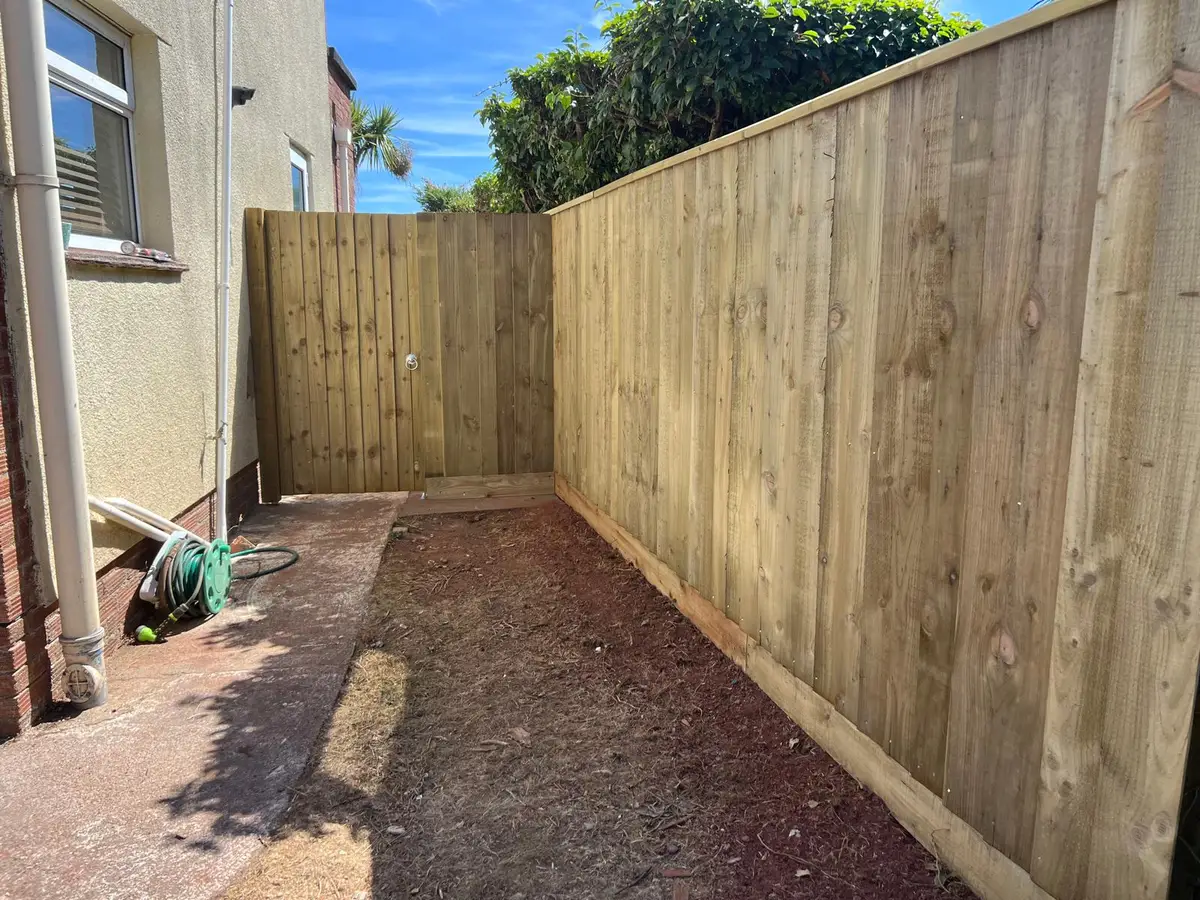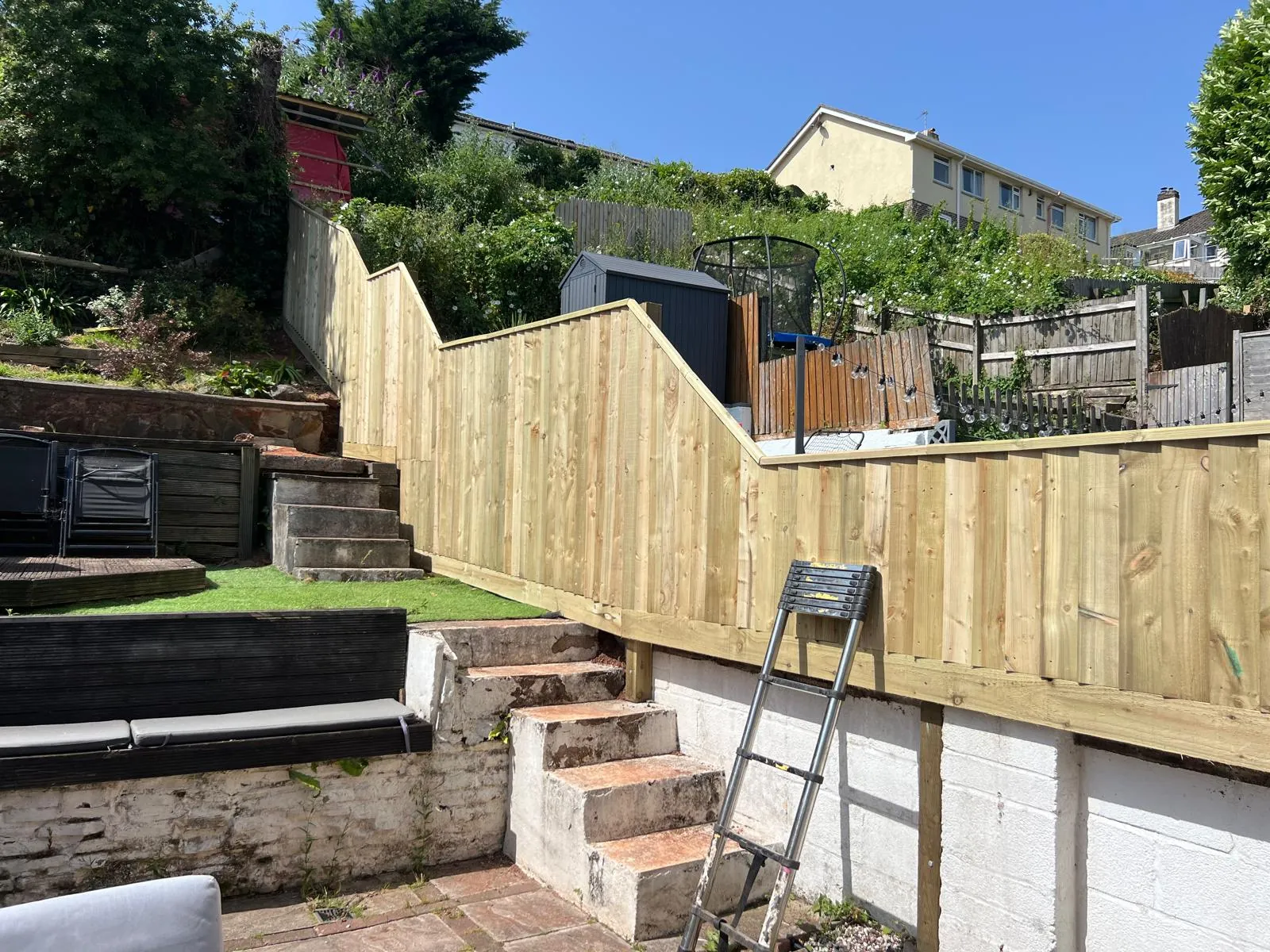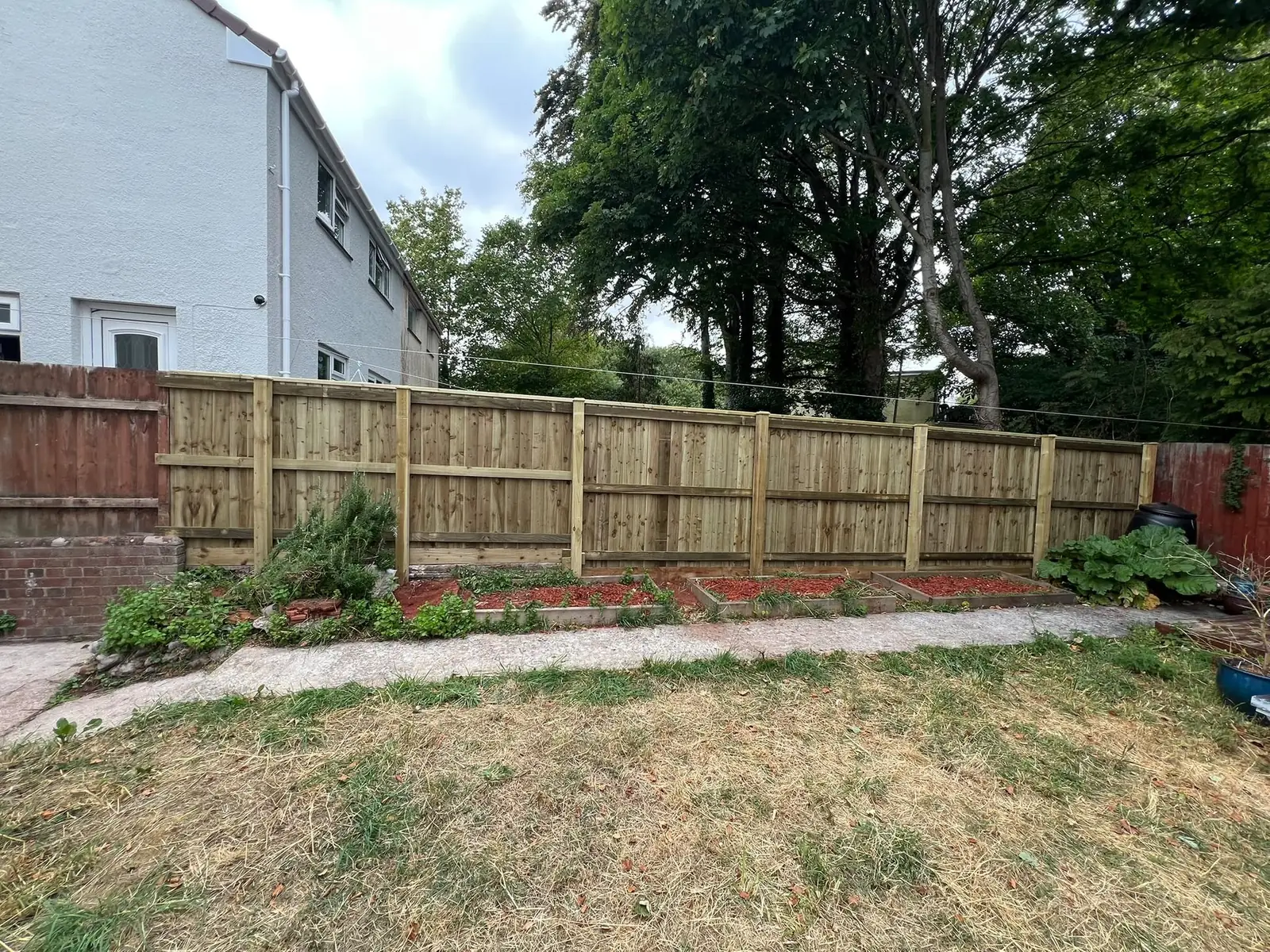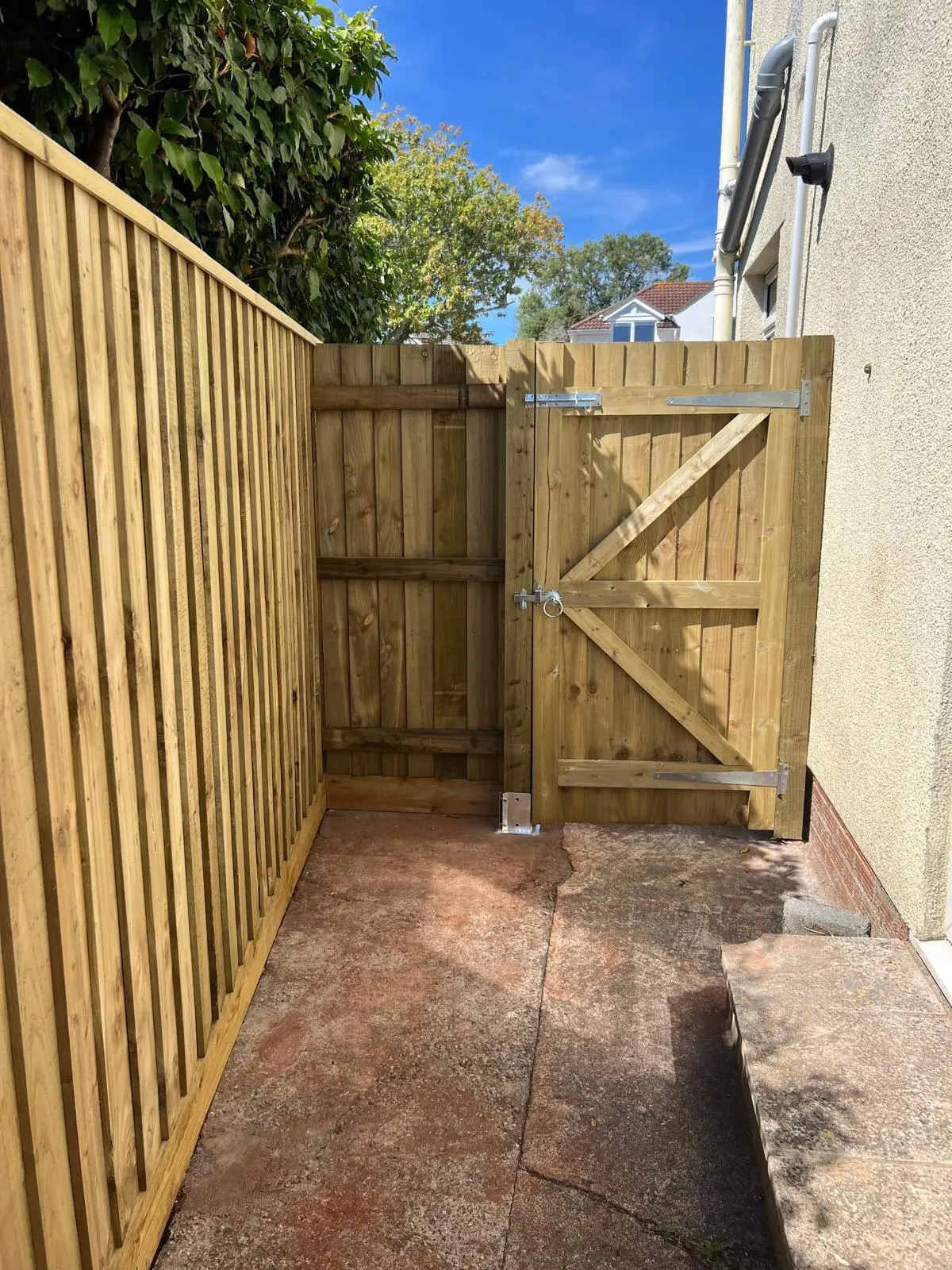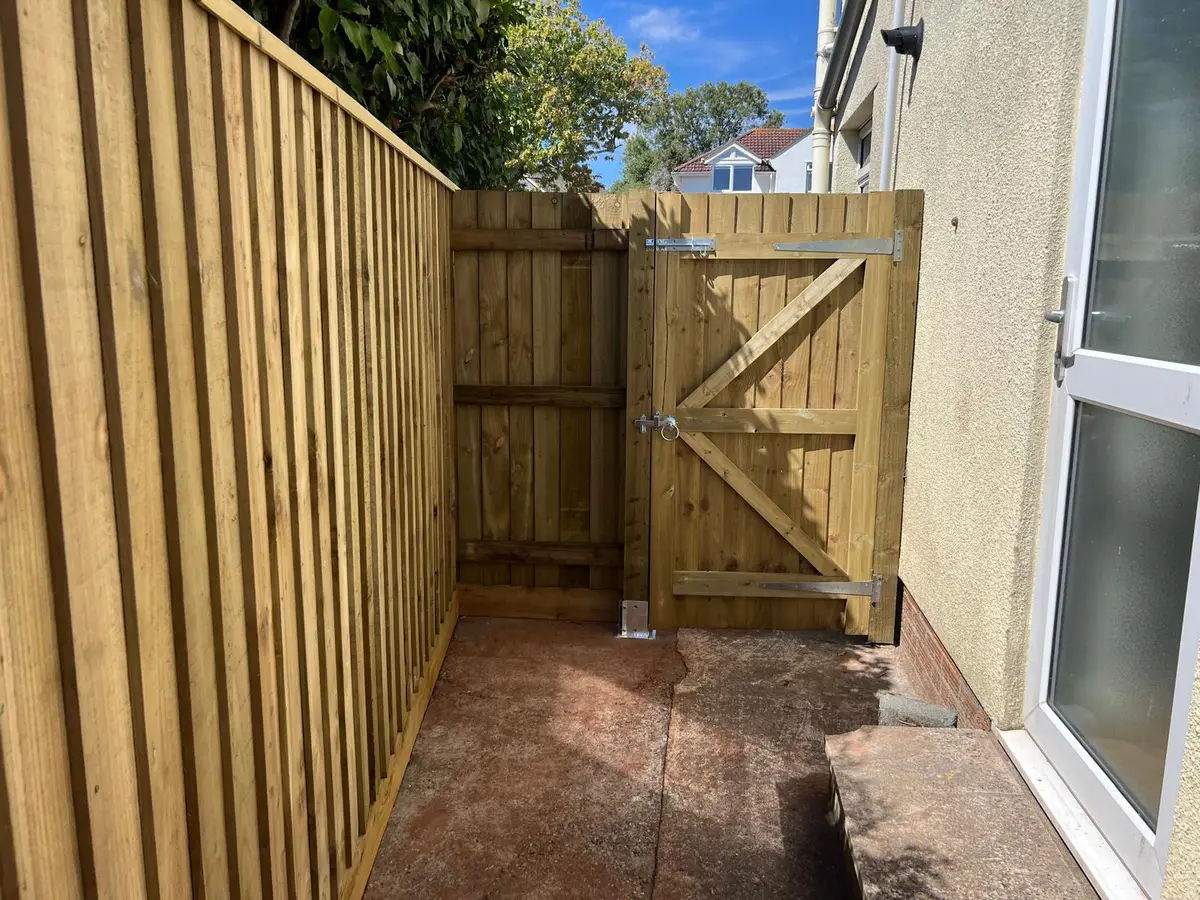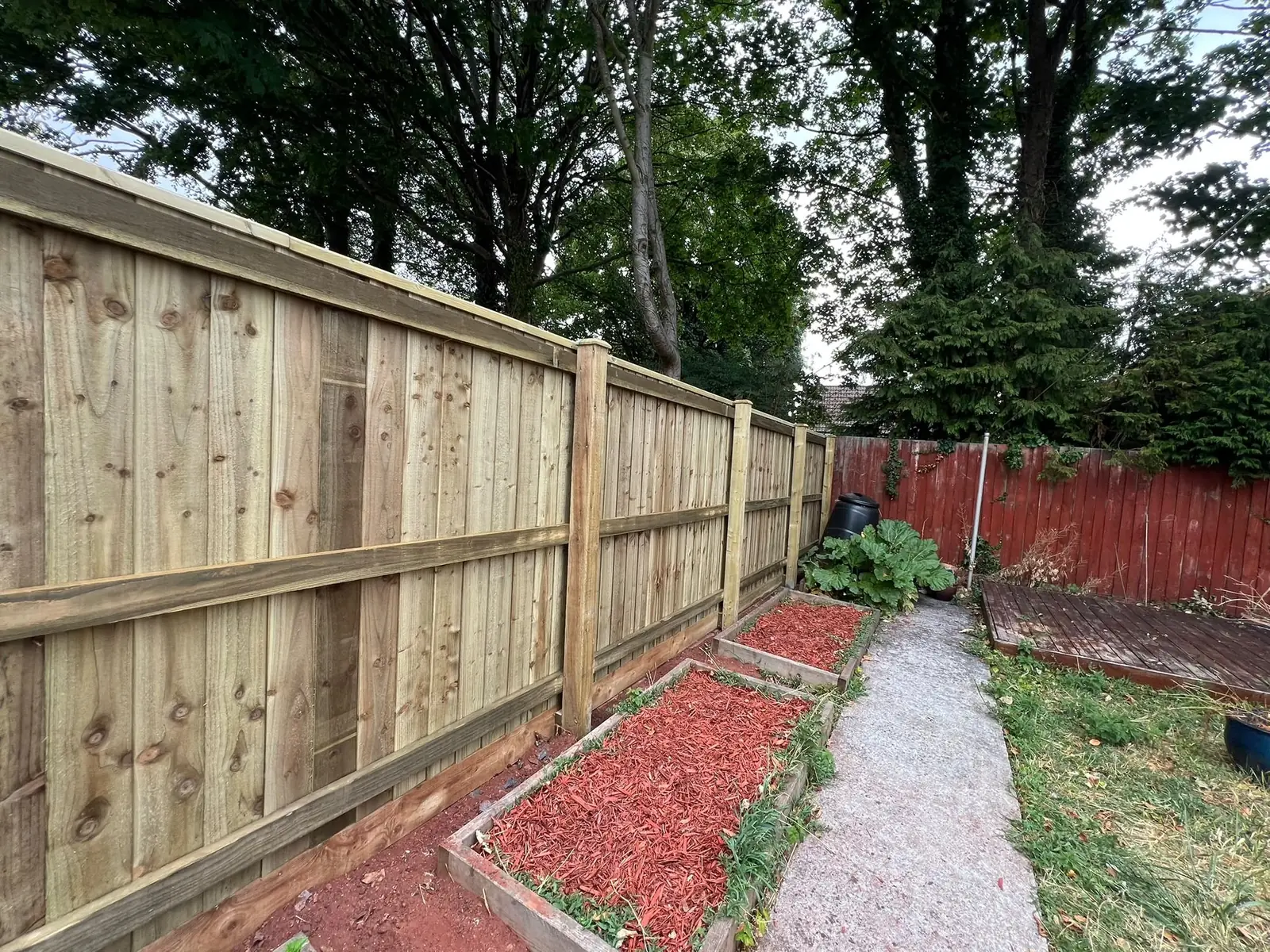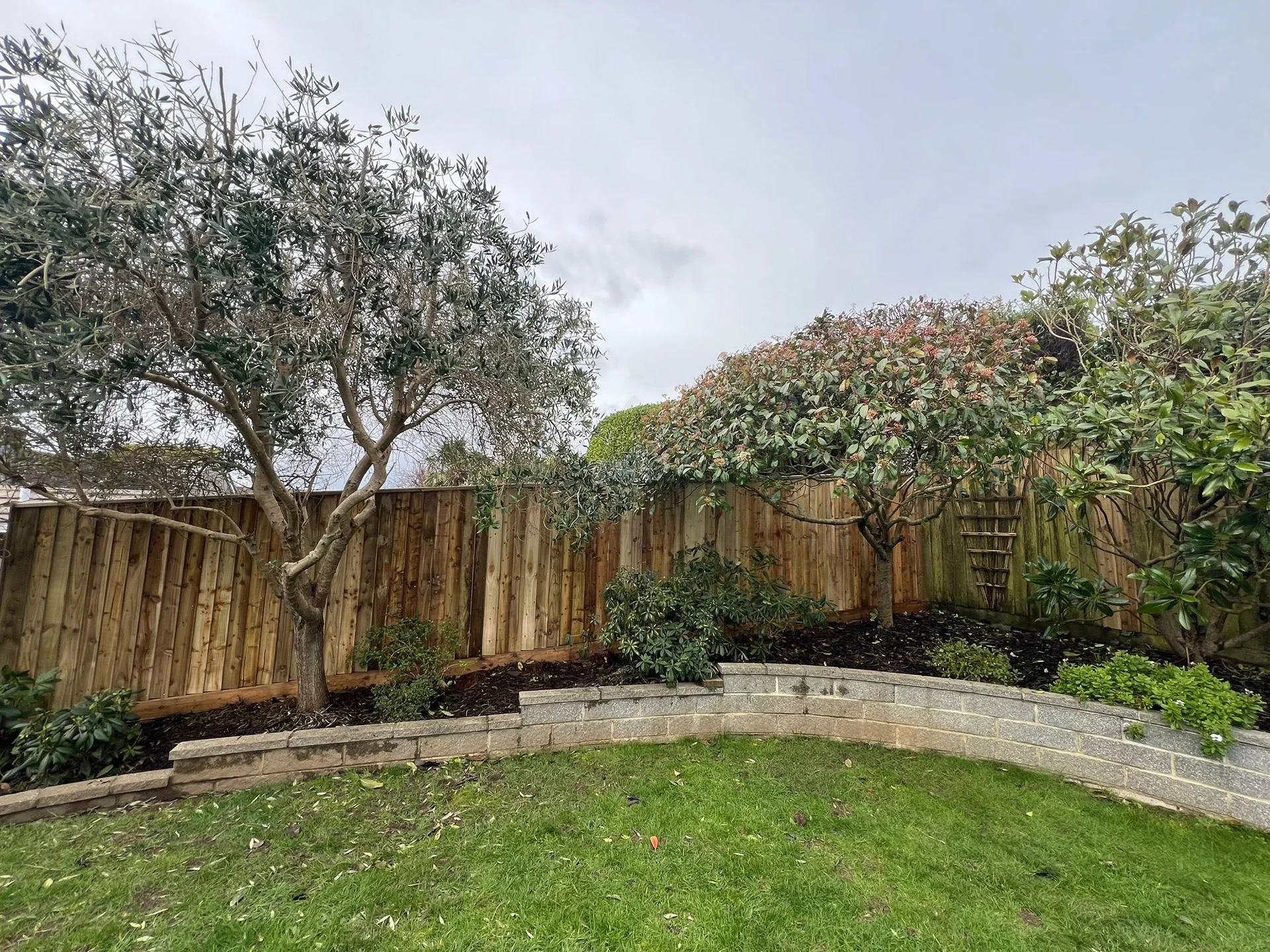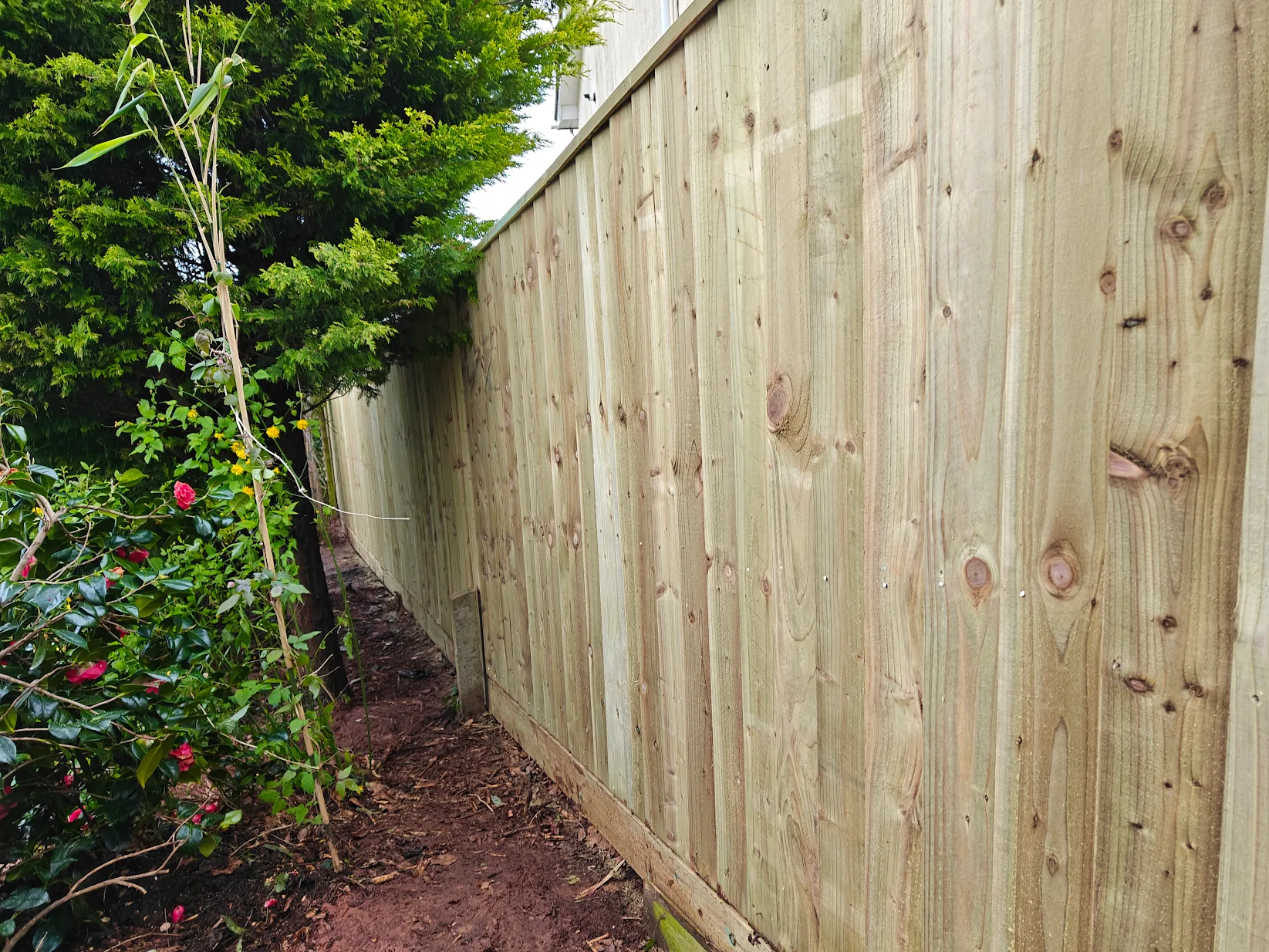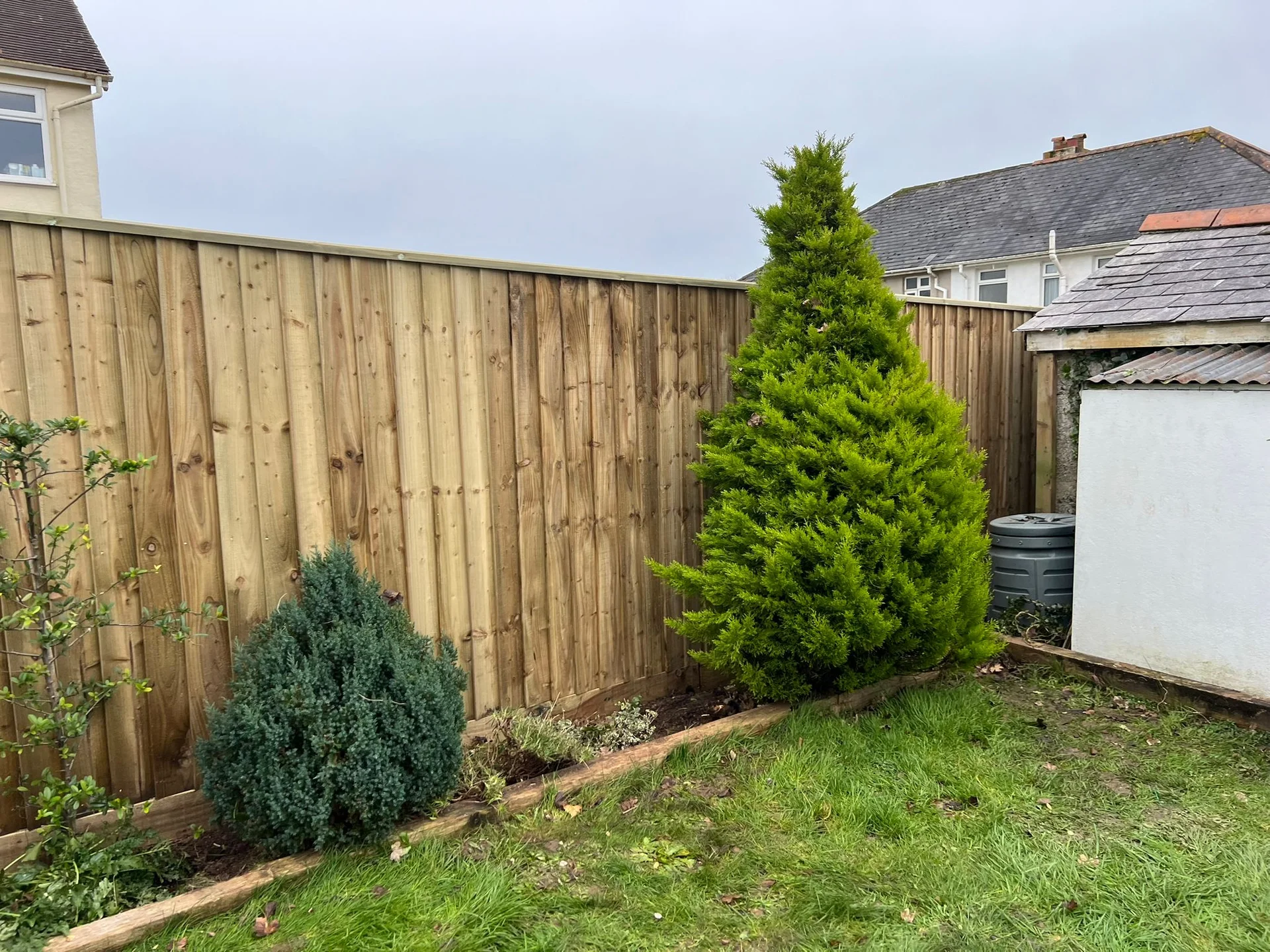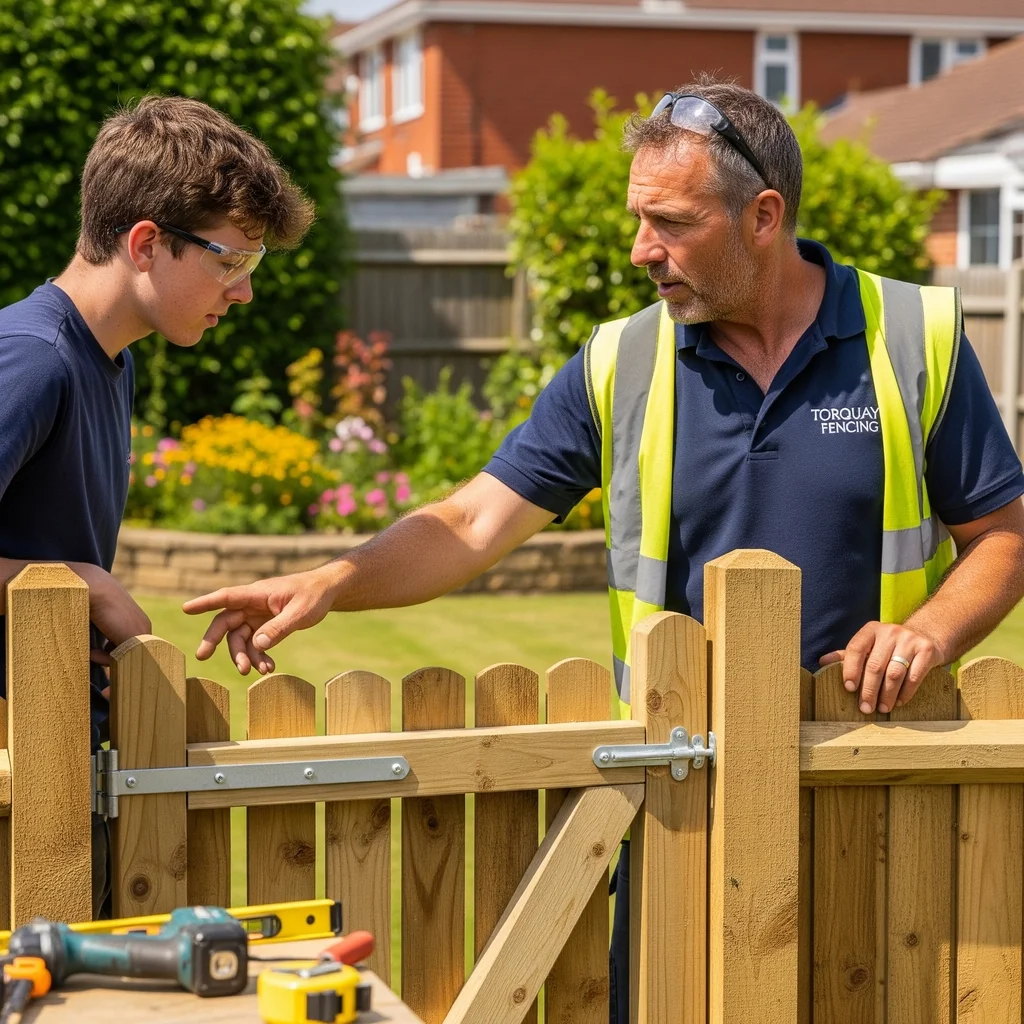
One of the most common questions we get asked when we arrive to quote a new fence is simple: "How high can I go?" It is a good question, and the answer is not always as straightforward as you might think. Fence height rules in the UK are governed by permitted development rights, which set out what you can build without applying for planning permission. But Torbay has its own quirks, from conservation areas around Wellswood to the exposed coastal plots near Babbacombe, and the right height for your garden depends on more than just the legal maximum.
In this guide, we are going to walk you through the rules, explain when you need to involve Torbay Council, and help you think through the practical factors that should influence your decision. By the end, you should have a clear idea of what height fence will work best for your property, and what you need to do to stay on the right side of the regulations.
The UK Permitted Development Rules for Fence Height
Let us start with the legal framework. In England, fence height is controlled by the Town and Country Planning (General Permitted Development) Order. The rules are reasonably clear, and they divide fences into two categories based on their location relative to a highway.
Fences Not Adjacent to a Highway
For fences that are not next to a highway, the maximum height you can build without planning permission is 2 metres, or roughly 6 feet 6 inches. This covers the vast majority of rear garden boundaries in Torquay, Paignton, and Brixham. If your back fence backs onto another garden, an alleyway, or open land, you can build to 2 metres without asking anyone for permission.
Fences Adjacent to a Highway
If your fence is next to a highway, the limit drops to 1 metre, or about 3 feet 3 inches. This applies to front garden fences in most residential streets. The term "highway" is broader than you might think. It includes not just public roads but also footpaths, bridleways, and adopted lanes. So if your front garden borders the pavement of a public footpath, the 1-metre limit applies.
There is a common point of confusion here. Some homeowners assume that the 1-metre limit only applies to the section of fence directly alongside the road, and that they can go higher further back. In practice, the limit applies to any fence that is adjacent to a highway, so if your front garden wraps around the side of the house, the entire boundary facing the highway is subject to the 1-metre restriction. If you want to go higher, you need planning permission.
What Counts as a Highway?
This is where it gets nuanced. A highway is any road or path that the public has a right to use, whether or not it is maintained by the council. Private driveways that serve only your property are not highways, so a fence alongside your own driveway is not subject to the 1-metre limit. But a shared access road, even if it is privately maintained, may count as a highway if the public has access to it. If you are unsure, it is worth checking with Torbay Council's planning department before you build, because taking down a non-compliant fence is an expensive way to learn the rules.
When You Need Planning Permission
If you want to build a fence that exceeds the permitted development limits, you need to apply for planning permission from Torbay Council. The application process is not particularly onerous, but it does take time, typically 8 weeks for a decision, and there is a fee. You will need to provide drawings showing the proposed fence, its height, its position relative to the boundary, and details of the materials.
Planning permission is not automatically granted just because you apply. The council will consider factors such as the impact on neighbours, the effect on the street scene, and whether the fence is appropriate for the area. In general, tall fences are more likely to be approved on rear boundaries where they do not affect the public realm, and less likely to be approved on front boundaries where they can look imposing and out of character.
There are also situations where you need planning permission regardless of the height. These include:
Listed Buildings
If your property is a listed building, any fence within its curtilage requires listed building consent, regardless of height. Torquay and the surrounding area have a number of listed buildings, particularly in conservation areas like Cockington village and around the older parts of Babbacombe. If you live in a listed property, talk to the council's conservation officer before proceeding.
Conservation Areas
In conservation areas, permitted development rights are sometimes restricted by what is known as an Article 4 Direction. This removes some of your automatic rights and requires you to seek permission for changes that would normally be allowed. Torbay has several conservation areas, and if your property falls within one, you may need permission for a new fence even if it is within the height limits. The conservation area around Cockington Country Park is a good example, where the council wants to preserve the rural, open character of the village and may resist tall, solid fencing.
Conditions on Previous Planning Approvals
If your house was built as part of a development that had planning conditions attached, those conditions may restrict fence height or require specific materials. This is common on newer estates around Paignton and Newton Abbot. Check your original planning permission or ask the council if you are not sure.
Factors to Consider When Choosing Fence Height
The legal maximum is just that, a maximum. It does not mean that 2 metres is the right height for every garden. Here are the practical factors we discuss with our customers when helping them choose.
Privacy Needs
The most common reason people want a tall fence is privacy, and the right height depends on what you are trying to screen. If your garden is overlooked by a single-storey neighbour extension, a 1.8-metre fence may be sufficient. If the overlooking is from a two-storey house on higher ground, even a 2-metre fence will not block the view from upstairs windows, and you may be better off considering a combination of a lower fence and a trellis with climbing plants, or planting a hedge behind the fence to add height over time.
In densely built-up areas like Preston and Torre, where houses are close together and gardens are small, privacy is a real concern. A 1.8-metre closeboard fence is usually the sweet spot, tall enough to screen ground-level views but not so tall that it feels oppressive in a compact space.
Wind Exposure
Tall fences catch more wind, and in exposed positions near the coast, a 2-metre solid fence can act like a sail. We have seen fences that were perfectly well built still suffer damage in winter storms simply because they were too tall for the exposure. If your garden is on an exposed boundary near Marine Drive, along the cliffs at Babbacombe, or on the headland near Berry Head in Brixham, consider whether a slightly lower fence, or a wind-permeable style like hit-and-miss, might actually perform better.
As a rule of thumb, the closer you are to the sea and the more open the aspect, the more carefully you need to think about height. A 1.5-metre fence in an exposed position will often outlast a 2-metre fence in the same spot, because it simply does not catch as much wind.
Corner Plots and Overlooking
Corner plots present a particular challenge because they often have two boundaries facing highways, which means the 1-metre limit applies on both sides. If you live on a corner in areas like Chelston or Shiphay, you may find that your options for front boundary fencing are quite limited. One solution is to set the fence back from the highway boundary, so it is technically not adjacent to the road, but this depends on the layout of your garden and is not always practical.
Corner plots are also more likely to be overlooked from multiple directions, which can make privacy in the rear garden harder to achieve. In these situations, we often recommend a 1.8-metre fence on the rear boundary combined with strategic planting to soften the corner.
The Street Scene
Even where permitted development allows you to build a 2-metre fence, it is worth thinking about how it will look from the street and from neighbouring properties. A 2-metre solid fence on a front boundary, even if it is not adjacent to a highway, can look fortress-like and out of keeping with the neighbourhood. In more uniform streets around Wellswood and Tor Park Road, where houses share a consistent architectural character, a lower fence with a hedge behind it often looks better and is more in keeping with the area.
Choosing Between 4ft, 5ft, and 6ft Fences
To make this more concrete, let us compare the three most common fence heights we install in Torbay.
4ft (1.2 metres)
A 4-foot fence is a good choice for front gardens, particularly in streets where a lower, more open boundary is the norm. It defines the boundary clearly without creating a visual barrier, and it is low enough to chat over with neighbours. In conservation areas, a 4-foot fence is often more likely to be acceptable to the council than a taller one. The downside is that it provides very little privacy, and it will not screen wheelie bins or parked cars from view.
5ft (1.5 metres)
A 5-foot fence is a useful middle ground. It is tall enough to provide a reasonable degree of privacy when you are sitting down in the garden, and it is less imposing than a 6-foot fence. We often recommend 5-foot fencing for side boundaries between neighbouring gardens, where a 6-foot fence might feel oppressive but a 4-foot fence does not provide enough screening. In exposed coastal positions, a 5-foot fence is also a sensible compromise between privacy and wind resistance.
6ft (1.8 metres)
A 6-foot fence is the standard choice for rear boundaries, and it is the height we install most frequently. It provides excellent privacy, it is within the 2-metre permitted development limit, and it is tall enough to deter casual intruders. The main consideration is wind exposure. If your rear boundary is in a sheltered position, 6-foot closeboard is ideal. If it is exposed to the coast, make sure the posts are set deep and consider concrete posts for extra rigidity.
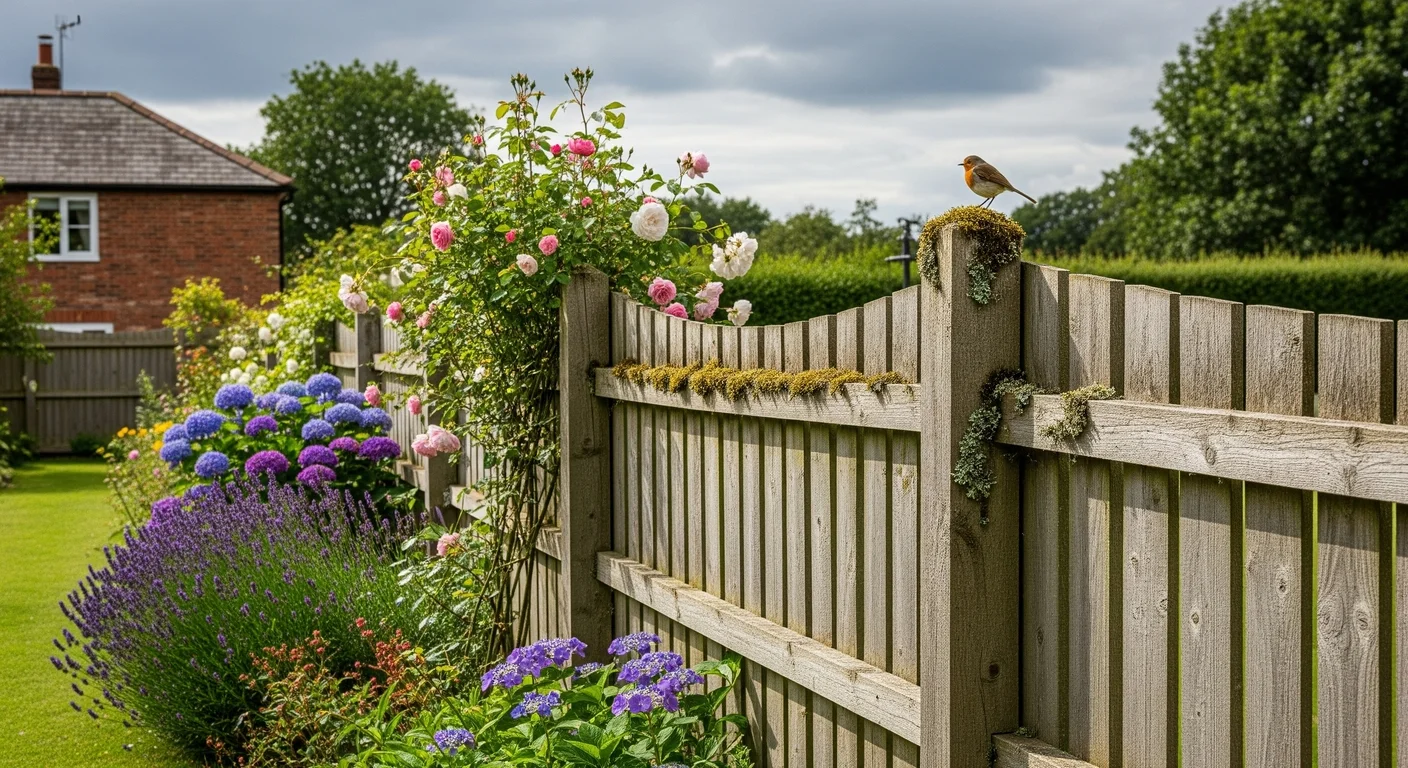
Trellis and Toppers: Adding Height Without Breaking the Rules
One question that comes up regularly is whether you can add a trellis topper to a 2-metre fence to gain extra height. The answer is nuanced. Permitted development limits apply to the total height of the fence, including any trellis. So if your fence is 2 metres and you add a 300mm trellis on top, the total height is 2.3 metres, which exceeds the limit and requires planning permission.
However, there is a distinction between a trellis that is structurally part of the fence and a freestanding structure. Some homeowners install a freestanding trellis behind the fence, supported by its own posts, which may be treated as a separate structure. This is a grey area, and if you are considering it, we would recommend checking with Torbay Council to avoid any issues.
What to Do If You Need Planning Permission
If you decide you need planning permission for a taller fence, the process is straightforward. You apply through the Planning Portal website, pay the fee (currently around £200 for a householder application), and submit drawings and a location plan. Torbay Council will then consult your neighbours and make a decision, usually within 8 weeks.
To improve your chances of approval, include a clear justification for the additional height. If the fence is needed to screen an overlooked garden, say so. If it is replacing an existing fence that was already at that height, include photos showing the current situation. The more context you provide, the easier it is for the planning officer to understand why the taller fence is reasonable.
Getting the Height Right
Choosing the right fence height is a balance between what the law allows, what your garden needs, and what works in your neighbourhood. The permitted development rules give you a framework, but they are a starting point, not a prescription. The best fence for your property is one that gives you the privacy and security you want without dominating the space or creating problems with wind exposure.
If you are unsure about what height will work best, or whether you need planning permission, we are happy to advise. We have been installing fences across Torbay for years, and we know the local planning quirks, the conservation area boundaries, and the exposure patterns from Babbacombe to Berry Head.
Related services: Fence Services | Closeboard Fence Installation
Give Joe a call on 01803 494348 or visit our contact page to arrange a free consultation. We will measure up, talk through your options, and help you choose a fence height that works for your garden, your neighbours, and the local planning rules.